Hardwood flooring offers unmatched authenticity and long-term value through refinishing; however, it requires careful humidity control to thrive in the local climate. Hybrid flooring provides a waterproof and cost-effective alternative that excels in basements and high-traffic areas where moisture resistance is essential. Choosing between hardwood vs hybrid flooring Utah ultimately depends on whether you prioritize the timeless appeal of natural timber or the low-maintenance durability of synthetic materials.
Selecting the perfect flooring for your Sanpete County home often feels like a constant tug of war between aesthetic dreams and practical realities. In our unique Utah climate, where bone-dry winters meet snowy springs, the decision between classic hardwood and modern hybrid planks involves much more than just a simple color choice. It is about how your floors will withstand shifting humidity levels, heavy foot traffic, and the rugged demands of a rural lifestyle. At Sanpete Flooring, we understand that an investment in your home must be both beautiful and enduring. This guide explores the critical differences between these two popular options, focusing on local climate performance, long term durability, and overall resale value. By the end, you will know exactly which material provides the best foundation for your specific lifestyle and Sanpete Valley property.
The Flooring Dilemma in Sanpete County: Natural Beauty or Modern Resilience
Living in Sanpete County requires a home that can withstand a rugged landscape. From the heritage properties in Manti to the growing residential areas of Ephraim, local homeowners face specific environmental demands. We deal with muddy boots tracked in from the farm, heavy snow carried from the mountains, and the notoriously dry air of the Sanpete Valley. These factors make choosing premium floor coverings in Sanpete County a decision that involves both aesthetics and engineering.
The primary debate today centers on two distinct options: classic hardwood and technologically advanced hybrid flooring. Hardwood remains the gold standard for natural beauty and investment value, yet it is traditionally sensitive to the fluctuations in our high-desert climate. Conversely, hybrid flooring is a modern contender built for resilience, offering a waterproof core that handles the Sanpete lifestyle with ease.
Selecting the ideal product for your renovation or new build is not a one-size-fits-all process. The outcome of the hardwood vs hybrid flooring Utah comparison depends on your specific room, your total budget, and how much time you want to spend on maintenance. If you are ready to evaluate these materials for your specific square footage, you can contact our flooring experts to discuss the best fit for your property.
What Is Hybrid Flooring and How Does It Differ From Hardwood
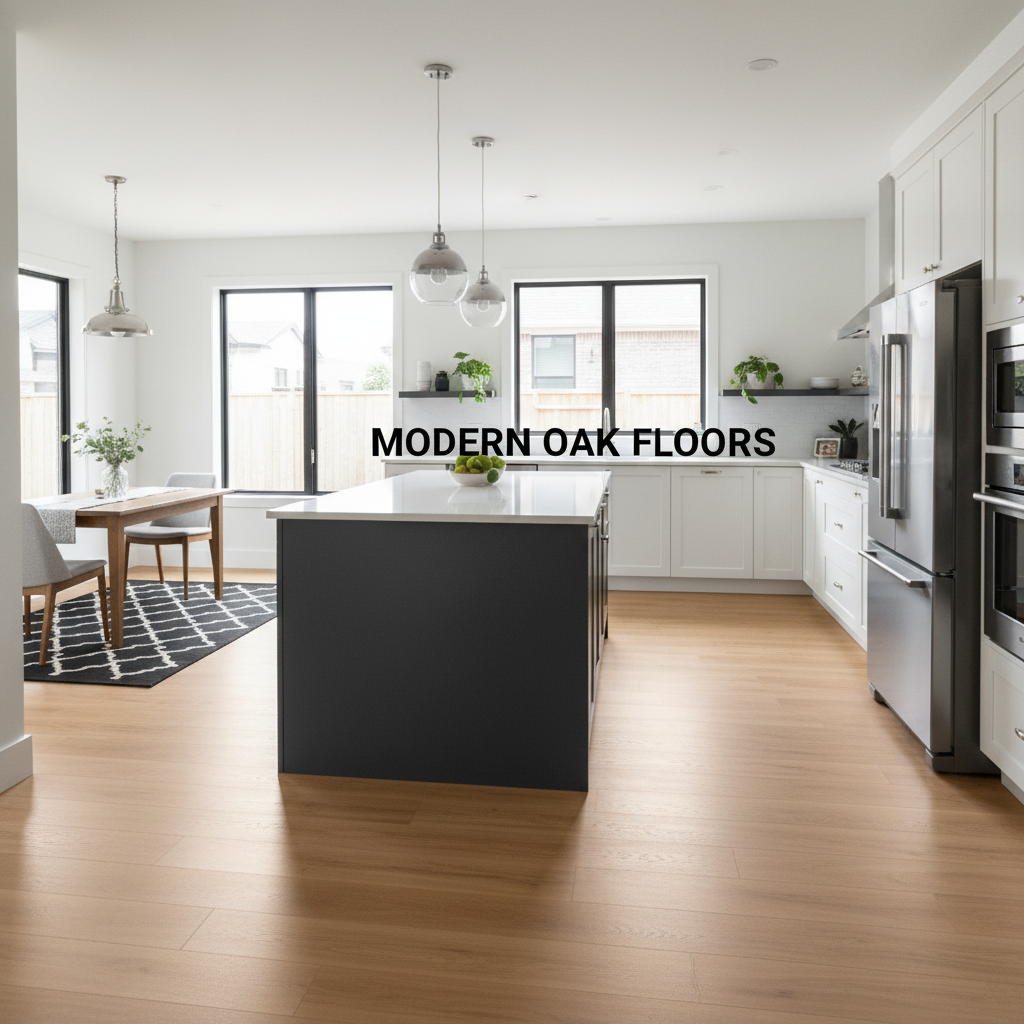
Understanding the technical construction of these products is the first step in making an informed choice for your home. Traditional hardwood is categorized into two main types: solid and engineered. Solid hardwood consists of a single, thick piece of timber from top to bottom. Engineered hardwood, while still real wood, uses a top layer of premium timber bonded over cross-grain layers of plywood. Both options offer the warmth and prestige associated with premium floor coverings in Sanpete County, but they remain organic materials that naturally react to the moisture in the air.
Hybrid flooring is a modern innovation designed to bridge the gap between the beauty of wood and the resilience of laminate or vinyl. Its performance is defined by a specific three layer construction, often referred to as the Rule of 3 in the industry:
The Rigid Core: This is the backbone of the plank, typically composed of Stone Plastic Composite (SPC) or Wood Plastic Composite (WPC). This core is what makes the product 100 percent waterproof and prevents the plank from expanding or contracting.
The Decorative Layer: This layer provides the visual character. Most hybrid floors use a high-definition photographic image to mimic oak, hickory, or walnut. However, some high-end hybrid selections utilize a genuine wood veneer to provide the authentic texture and grain of natural timber.
The Protective Wear Layer: A heavy-duty, transparent coating sits on the surface. This layer is engineered to resist scratches, dents, and UV fading, which is essential for rooms with high sun exposure and heavy foot traffic.
Feature | Solid Hardwood | Engineered Hardwood | Hybrid Flooring |
|---|---|---|---|
Composition | 100% natural timber | Wood veneer over plywood | SPC/WPC rigid core |
Water Resistance | Low (swells/warps) | Moderate | 100% Waterproof |
Core Material | Organic wood fiber | Multi-ply wood | Stone or wood plastic composite |
Surface Layer | Solid timber | Real wood veneer | Decorative film or wood veneer |
The most significant difference in the hardwood vs hybrid flooring Utah comparison is how these materials handle Sanpete’s environment. While real wood is susceptible to damage from melting snow or spills, the rigid core of a hybrid floor remains completely unaffected by liquid. If you are interested in seeing how these materials feel underfoot, you can learn more about Sanpete Flooring and our commitment to sourcing durable, high-performance materials for local homeowners.
The Utah Climate Factor: Humidity and Hardwood Performance
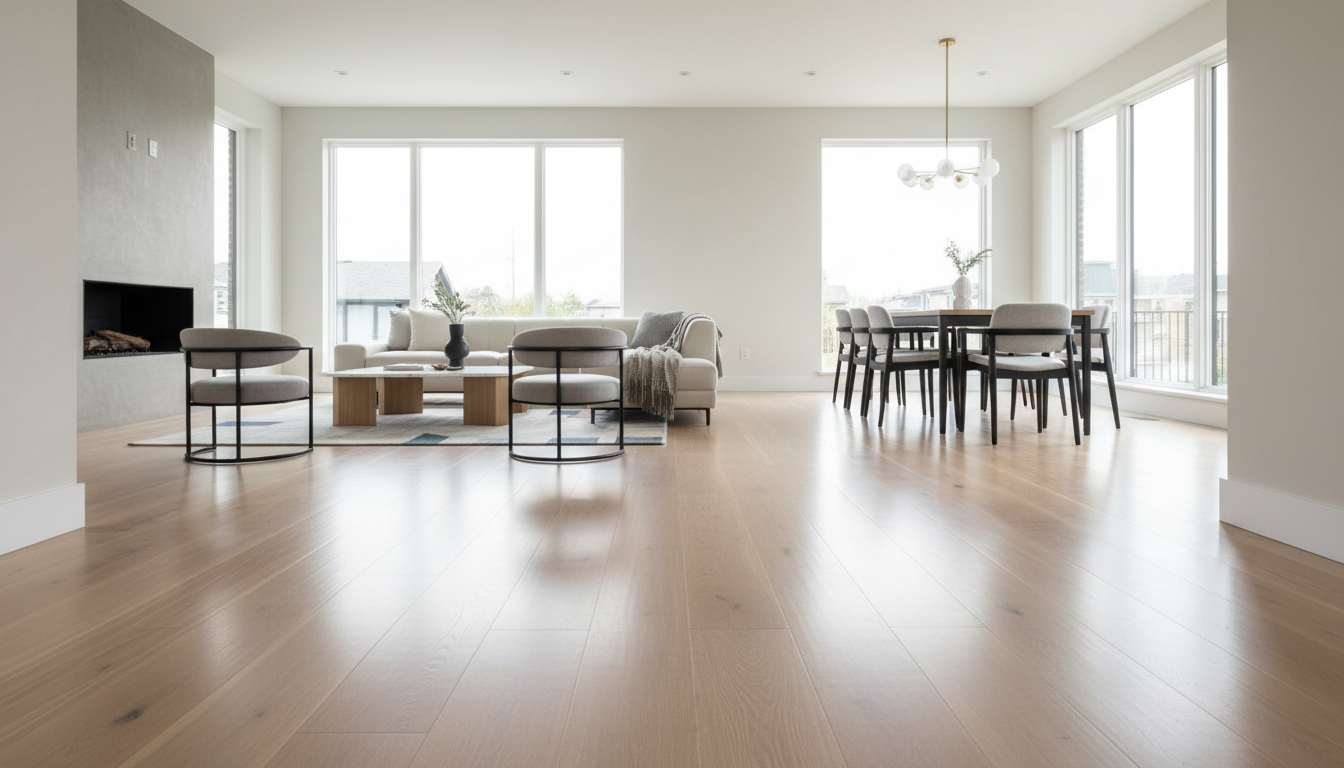
The technical composition of a plank is only half the story; the other half is dictated by the unique environment of the Sanpete Valley. Utah climate considerations are perhaps the most influential factor when weighing the hardwood vs hybrid flooring Utah homeowners must navigate. Our high-desert geography creates extreme humidity fluctuations that can wreak havoc on natural materials. During a typical Sanpete winter, indoor relative humidity (RH) often drops below 20 percent. For solid hardwood, which is hygroscopic and naturally seeks to reach equilibrium with the surrounding air, this dry environment causes the wood to lose moisture and physically shrink.
In practical terms, this shrinkage manifests as noticeable gaps between your floorboards. While some seasonal movement is expected with real wood, the severity of the Utah winter often pushes these materials to their limit. Even popular local species known for their toughness can experience this. To understand the physical durability of these woods, we often look at the Janka hardness scale, which measures the force required to embed a steel ball into the wood.
Wood Species | Janka Hardness Rating | Typical Performance in Utah |
|---|---|---|
Hickory | 1820 | High dent resistance; prone to significant movement |
White Oak | 1360 | Excellent durability; moderate seasonal gapping |
Red Oak | 1290 | Industry standard; requires strict humidity control |
Black Walnut | 1010 | Softer surface; sensitive to dry air shrinkage |
It is vital to understand that a high Janka rating does not equate to dimensional stability. A Hickory floor is incredibly difficult to dent, but because it is an organic product, it remains susceptible to the warping and cupping caused by our dry air. This is where hybrid flooring offers a distinct engineering advantage. Because its rigid core is composed of stone or wood plastic composites, it is essentially inert. It does not absorb moisture from the air, nor does it dry out and contract when the furnace is running.
For those who demand the look of premium floor coverings in Sanpete County but do not want to manage a whole-home humidification system to keep their floors from gapping, the stability of a hybrid plank is often the superior choice. This material remains flat and tight through every season, regardless of whether the air is bone-dry or heavy with spring runoff. If you are concerned about how specific materials will react in your home, you can contact our flooring experts for a site-specific evaluation.
Durability Comparison for Heavy Foot Traffic and Active Lifestyles
The stability of a floor against humidity is one concern, but the physical impact of a busy household is often the more immediate priority. For homeowners evaluating premium floor coverings in Sanpete County, durability is measured by how well a surface handles high-impact daily life. Hardwood flooring offers a prestigious aesthetic, but it is an organic material that remains relatively soft. Large pets with unclipped claws can leave tracks in the grain, and a dropped heavy kitchen tool can result in a permanent indentation. While species like Hickory offer higher dent resistance, they are not immune to surface abrasions. However, hardwood has one distinct advantage: the ability to be sanded and refinished multiple times over its life, effectively erasing decades of wear.
Hybrid flooring is engineered specifically to address these physical vulnerabilities. Its top wear layer is often rated for commercial-grade traffic, making it virtually scratch-proof and dent-resistant. In the hardwood vs hybrid flooring Utah homeowners compare, hybrid wins on immediate resilience. It is an ideal solution for mudrooms where grit from the Sanpete foothills might be ground into the floor or for kitchens where spills are frequent. Unlike hardwood, which can suffer permanent damage from standing water or melting snow tracked in during a blizzard, hybrid planks are 100 percent waterproof.
Durability Metric | Solid/Engineered Hardwood | Hybrid Flooring |
|---|---|---|
Scratch Resistance | Moderate (susceptible to pet claws) | Extremely High (commercial wear layer) |
Impact Resistance | Variable by species Janka rating | High (rigid core prevents denting) |
Moisture Defense | Prone to staining and swelling | 100% Waterproof |
Long-term Repair | Can be sanded and refinished | Requires plank replacement |
Choosing between these materials often comes down to your tolerance for character. Some residents value the patina that hardwood develops over time, seeing it as part of the home's history. Others prefer the pristine, unchanging surface that a hybrid floor provides. If you need a site-specific recommendation based on your household's activity level, you can contact our flooring experts for a consultation.
Energy Efficient Heated Flooring: Which Material Works Best
Integrating radiant heating into your home is a strategic way to combat the sub-zero temperatures typical of Central Utah. At Sanpete Flooring, we frequently install these systems to provide consistent, energy-efficient warmth. When evaluating the hardwood vs hybrid flooring Utah comparison for heated applications, the physical properties of the core material are paramount. Solid hardwood is a poor candidate for this technology. Its thickness acts as a natural insulator that traps heat beneath the floor, and the constant thermal cycling causes the wood to dry out rapidly, leading to permanent cracking and structural gapping.
Engineered hardwood and hybrid flooring are both compatible with radiant heat, but they perform differently. Engineered wood is stable enough to resist warping, yet hybrid flooring often offers the best thermal conductivity for the Sanpete Valley lifestyle. The rigid SPC core of a hybrid plank allows heat to pass through the material more efficiently than organic wood fibers. This ensures your heating system operates at peak performance, keeping your home comfortable during the harshest months without wasting energy.
Material Type | Radiant Heat Compatibility | Thermal Conductivity | Stability Under Heat |
|---|---|---|---|
Solid Hardwood | Not Recommended | Low (Insulates) | Poor (Gaps/Cracks) |
Engineered Hardwood | Recommended | Moderate | Good |
Hybrid (SPC/WPC) | Highly Recommended | High | Excellent |
If you are planning a renovation that includes premium floor coverings in Sanpete County with integrated heat, you can contact our flooring experts to ensure your chosen material is specifically rated for this application. We focus on selecting products that maintain their structural integrity even when the heat is running at full capacity during a Sanpete winter.
Investment and Resale Value in the Sanpete Valley Market
Beyond daily performance, you must consider how your flooring choice affects the long term valuation of your property. Hardwood is a generational investment. In the historic homes of Manti or luxury builds in the Ephraim foothills, real oak or hickory adds significant appraisal value because it can last over 100 years. If a buyer sees authentic timber, they recognize it as a permanent fixture that can be restored rather than replaced.
Hybrid flooring serves a different financial role. It offers a lower entry cost and faster installation, which appeals to property owners looking for immediate upgrades without the premium price tag. While hybrid flooring is the dominant trend for 2026 due to its extreme practicality and moisture resistance, it does not carry the same legacy prestige as natural wood. It is a functional asset rather than a permanent one.
Investment Factor | Premium Hardwood | Hybrid Flooring |
|---|---|---|
Estimated Lifespan | 50 to 100+ Years | 15 to 25 Years |
Resale Impact | High (Increases Equity) | Moderate (Visual Appeal) |
Average Utah Price (Installed) | $12 to $22 per sq. ft. | $6 to $11 per sq. ft. |
Maintenance Cost | High (Periodic Refinishing) | Low (Routine Cleaning) |
In the Sanpete Valley market, the choice often aligns with your holding period. If you are building a legacy home to keep in the family, the upfront cost of premium floor coverings in Sanpete County like solid wood is often justified. For rental properties or active family homes where you expect to update styles in two decades, hybrid is the more strategic financial move. To get a precise quote for your square footage and navigate the hardwood vs hybrid flooring Utah market, you can contact our flooring experts for a detailed breakdown.
Room by Room Guide: Where to Install Each Option
Deciding on the placement of materials requires a tactical approach to your home’s layout. For basements in the Sanpete Valley, hybrid flooring is the only viable choice. Concrete subfloors naturally wick moisture; a summer rainstorm or a minor pipe leak can instantly ruin solid wood. Hybrid’s waterproof core ensures your subterranean living space remains safe from mold and warping.
In kitchens and bathrooms, the constant risks of splashes and humidity make hybrid the logical choice for premium floor coverings in Sanpete County. However, for main living areas and master bedrooms, hardwood remains unrivaled. It provides a level of warmth and organic texture that enhances the sophisticated feel of a home, especially when paired with a fireplace during a cold Utah winter.
Specific zones like mudrooms require extreme durability, particularly for residents living near the Manti-La Sal National Forest. When you are tracking in heavy snow and spring mud, the commercial wear layer of a hybrid floor protects against the grit and moisture that would strip a natural hardwood finish.
Room Type | Recommended Material | Primary Reason |
|---|---|---|
Basement | Hybrid | Moisture and flood resistance |
Kitchen / Bathroom | Hybrid | 100% Waterproofing |
Living / Dining Room | Hardwood | Aesthetics and resale value |
Master Bedroom | Hardwood | Natural warmth and comfort |
Mudroom | Hybrid | High traffic and debris resistance |
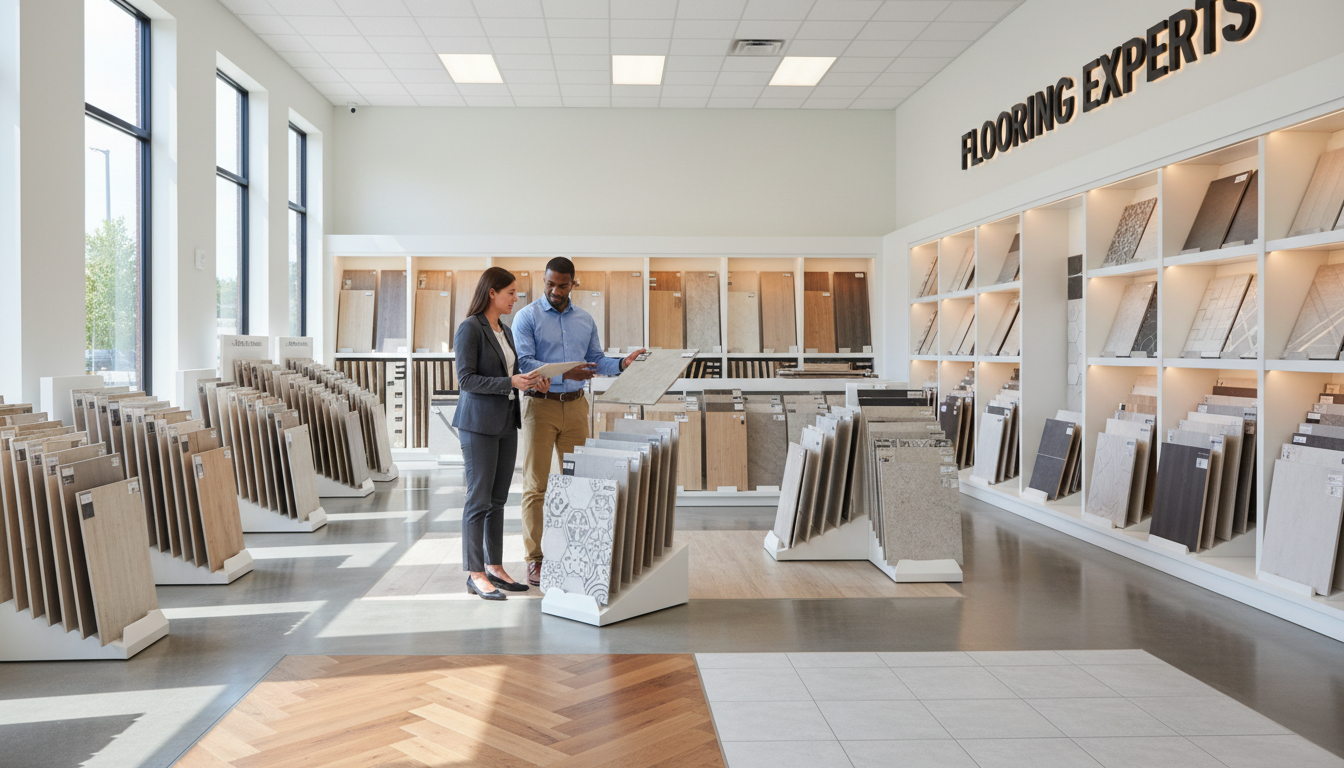
If you are still weighing the hardwood vs hybrid flooring Utah options for a specific renovation, you can contact our flooring experts to see samples of each in person. Learning more about Sanpete Flooring will show you that we prioritize the longevity of your installation by matching the right material to the specific demands of each room.
Choosing between hardwood and hybrid flooring often comes down to your personal priorities for style, durability, and cost. While hardwood offers timeless appeal, hybrid provides unmatched resilience against Utah's climate. If you want expert help deciding which option fits your home best, our team at Sanpete Flooring is ready to assist. You can learn more about us to see how we help homeowners across the county achieve beautiful, lasting results with professional guidance tailored to your specific needs.