Heated flooring systems Utah cold climate are a worthwhile investment because they provide energy-efficient, consistent warmth that improves indoor air quality by eliminating forced air. While installation costs typically range from $5 to $18 per square foot, these systems offer superior comfort and long-term cost-effectiveness compared to traditional heating methods. This technology ensures a healthy living environment and eliminates cold spots during harsh winter months.
There is a specific kind of morning chill that settles into a Utah home during the dead of winter. Even when your furnace is running constantly, stepping onto a frozen tile or stone floor at dawn provides an unwelcome jolt that lingers long after your first cup of coffee. In our high-elevation climate, traditional forced air often fails to address the cold that radiates from the ground up; leaving your living spaces feeling incomplete. At Sanpete Flooring, we believe your home should be a sanctuary from the elements. This guide explores the practicalities of installing radiant heat in Sanpete County. We will compare electric and hydronic systems, discuss how to pair heat with materials like hardwood or tile, and break down whether the energy efficiency of these systems justifies the initial cost for your specific lifestyle.
The Reality of Utah Winters and Cold Floors
Living in Sanpete County means bracing for winters that define high elevation life. In towns like Manti, Ephraim, and Mt. Pleasant, the temperature often drops well below freezing long before the sun goes down. During these months, traditional flooring materials like tile or laminate act as thermal sponges, pulling heat away from your body the moment you step out of bed. Walking across a kitchen floor can feel like stepping onto a block of ice, a discomfort that even the most robust forced air furnaces struggle to fix.
Radiant heating changes this dynamic by placing a heat source directly beneath the floor surface. Instead of blowing hot air that quickly rises to the ceiling, these systems warm the floor itself, which then radiates heat upward to people and objects. While once considered a high end luxury, heated flooring systems Utah cold climate residents now utilize have become a strategic investment for mountain homeowners. Modern technology has transformed these systems into highly efficient tools for managing energy costs while providing a level of comfort that traditional vents cannot match. Forced air is no longer the only way to keep a Sanpete home warm; in many cases, it is no longer the most efficient choice for our unique environment. This shift toward underfloor heat is especially relevant when considering hardwood vs hybrid flooring options for new builds or renovations.
How Heated Flooring Systems Work in Cold Climates
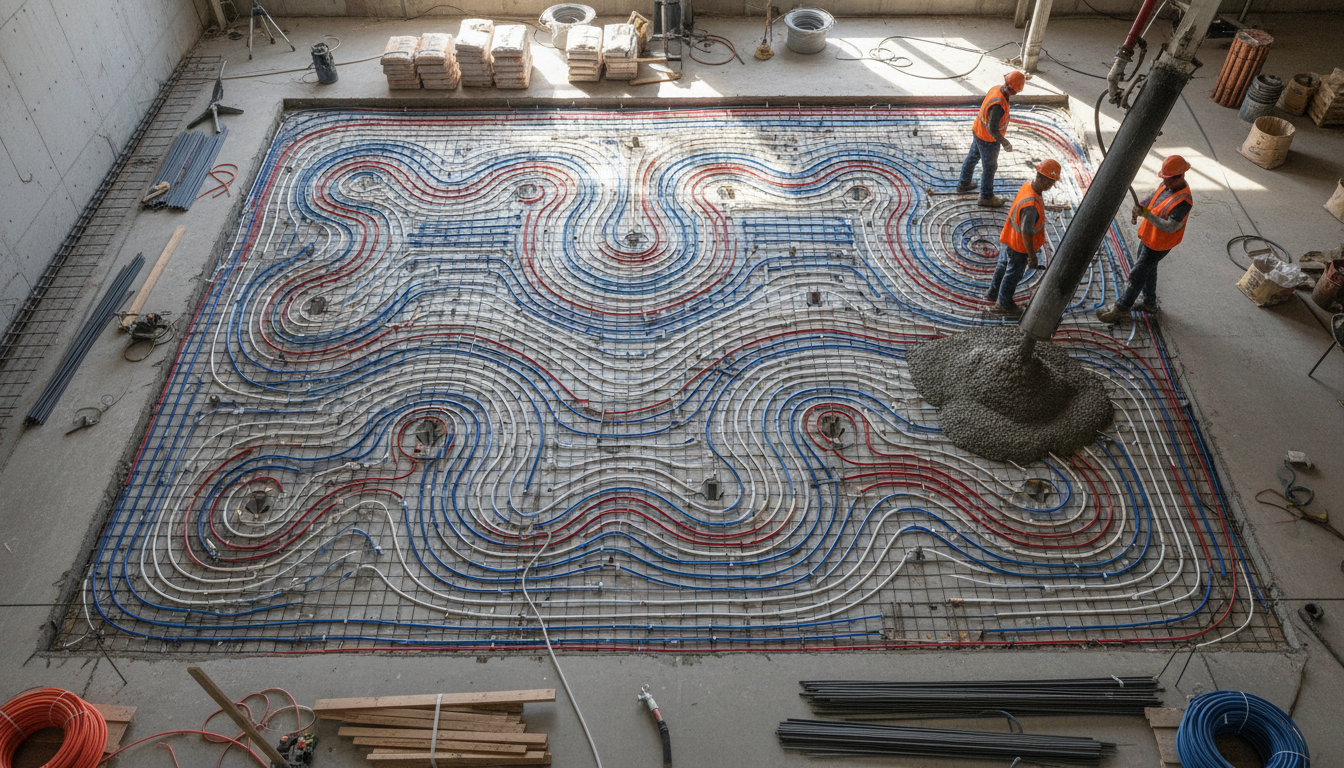
Radiant heating operates on the principle of thermal radiation. Unlike a furnace that pushes air through dusty ducts, these systems turn the entire floor surface into a large, low-temperature heat source. This method mimics the way the sun warms your skin on a clear winter day in the Sanpete Valley; it targets objects and people directly. In a high elevation environment where humidity is already low, avoiding forced air prevents the parched feeling often associated with Utah winters, as there is no fan moving allergens or drying out your living space.
Two primary technologies dominate the market for heated flooring systems Utah cold climate homes require.
Electric Radiant Heat: This system uses ultra-thin cables or mesh mats installed directly beneath the floor finish. It is the most practical choice for retrofitting a single bathroom in Ephraim or adding warmth to a kitchen remodel. Because it does not require a boiler or thick subfloor adjustments, it integrates easily into existing structures.
Hydronic Systems: These rely on a network of flexible PEX tubing laid within or beneath the floor. A boiler or high-efficiency water heater circulates a heated liquid through the tubes. This is the preferred method for large-scale projects, such as a new custom home build or a 40x60 shop, where the cost of electricity might otherwise be prohibitive for heating a massive square footage.
A common concern among local homeowners is whether these liquid-filled lines can freeze during a severe cold snap when temperatures in Mt. Pleasant drop well below zero. Modern hydronic systems address this by using a closed-loop design filled with a mixture of water and non-toxic propylene glycol. This antifreeze solution ensures the pipes remain liquid even if the system is turned off during the dead of winter. Furthermore, professional installation services ensure that sensors and thermostats are placed to maintain a minimum safety temperature, protecting your investment from the inside out.
Electric vs Hydronic: Which is Right for Your Sanpete County Home?
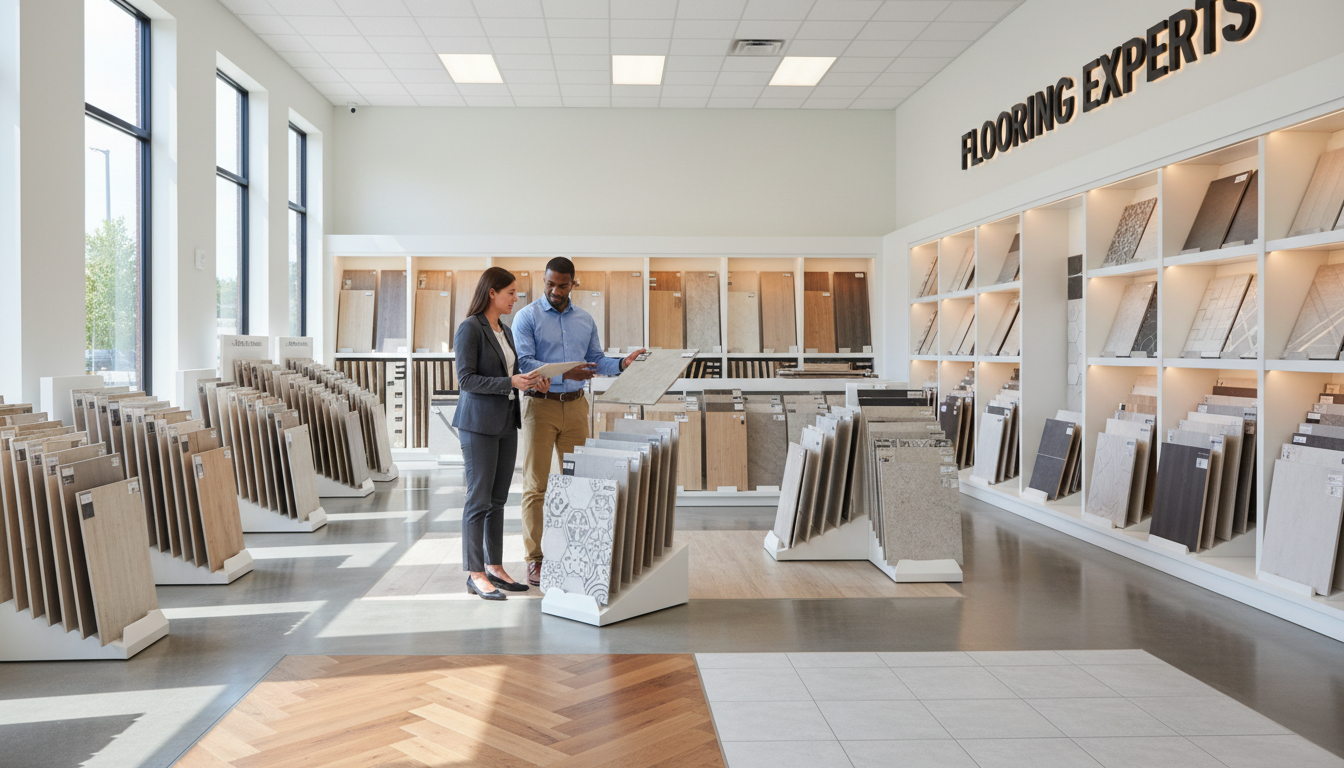
Choosing between electric and hydronic systems depends largely on the scale of your project and your long term energy goals in the Sanpete Valley. Electric systems are typically the go to choice for targeted renovations, such as a master bathroom remodel in Manti or a kitchen update in Ephraim. These systems feature a lower entry price for materials, generally ranging between $5 and $12 per square foot. They are remarkably thin, allowing for a straightforward installation under tile, laminate, or hybrid planks without significantly raising the floor height.
For larger applications, such as a custom home build or a massive 40x60 detached shop, hydronic systems become the more sensible investment. While the upfront costs for pumps, boilers, and manifold systems are considerably higher, the operational efficiency for heating large volumes of space is unmatched. Looking ahead to 2026 trends, many homeowners are now integrating these hydronic setups with high efficiency boilers or solar arrays to further offset utility costs. This forward thinking approach ensures that even as energy prices fluctuate, your home remains cost effective to heat.
Feature | Electric Radiant | Hydronic Radiant |
|---|---|---|
Material Cost | $5 - $12 per sq. ft. | Higher initial setup costs |
Best Use Case | Single room remodels | New builds, shops, full homes |
Installation Speed | Fast; fits under most finishes | Slower; involves plumbing or slab work |
Energy Source | Electricity | Gas, propane, solar, or boilers |
If you are adding comfort to a single room in an existing residence, the simplicity of electric mats makes the most sense. However, if you are breaking ground on a new residential floor plan, a hydronic system provides a foundation for consistent, whole home warmth. If you are unsure which path fits your budget, you can contact our Sanpete County team for a detailed site assessment. Selecting the right heated flooring systems Utah cold climate homes need requires balancing immediate installation ease with decades of performance. For more information on choosing the right surface to go over these systems, consider our guide on hardwood vs hybrid flooring.
Material Matters: Matching Heat with Hardwood, Tile, and Hybrid Flooring
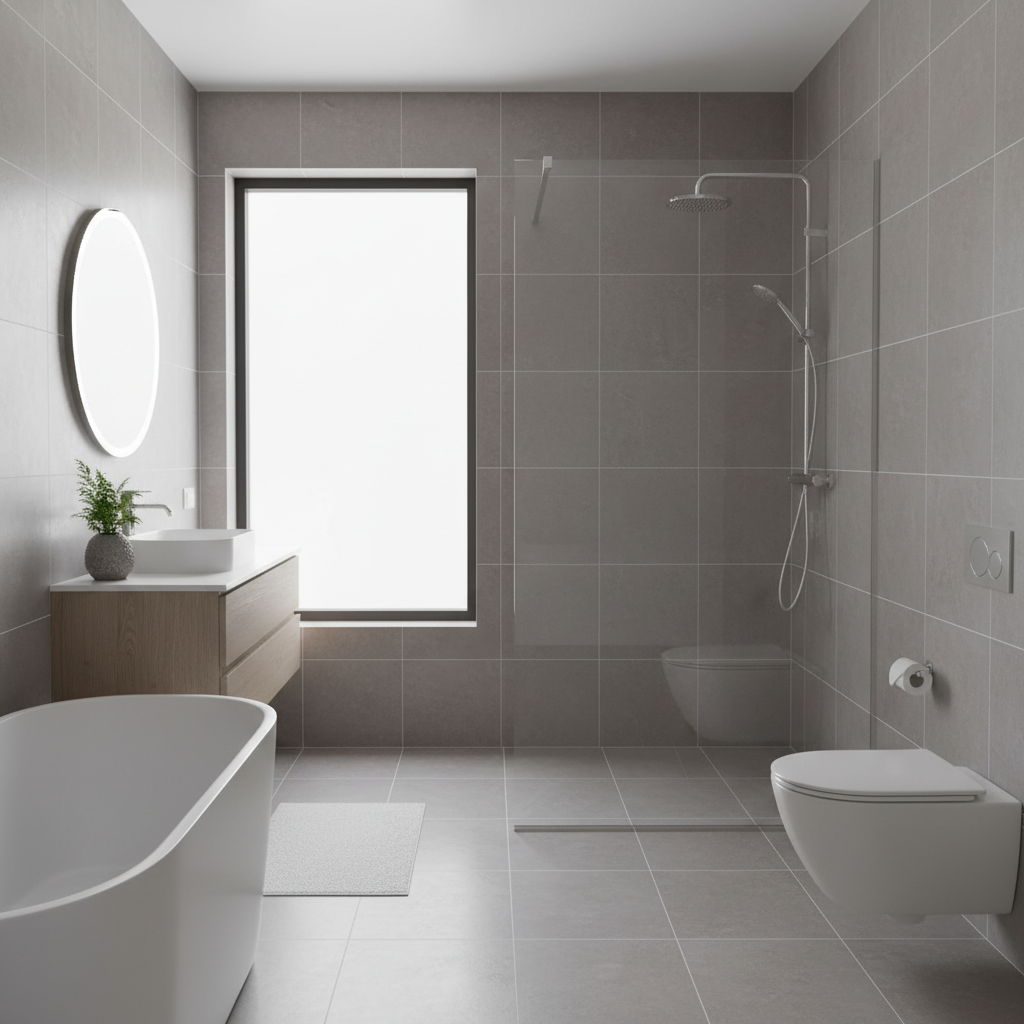
The effectiveness of heated flooring systems Utah cold climate homeowners install depends heavily on the thermal conductivity of the surface material. Thermal conductivity refers to a material's ability to transfer heat from the heating element to your feet. High-density materials like porcelain tile, natural stone, and polished concrete are considered the gold standard for radiant systems. These materials possess high thermal mass, meaning they absorb heat efficiently and retain it for long periods, keeping the room warm even after the system cycles off.
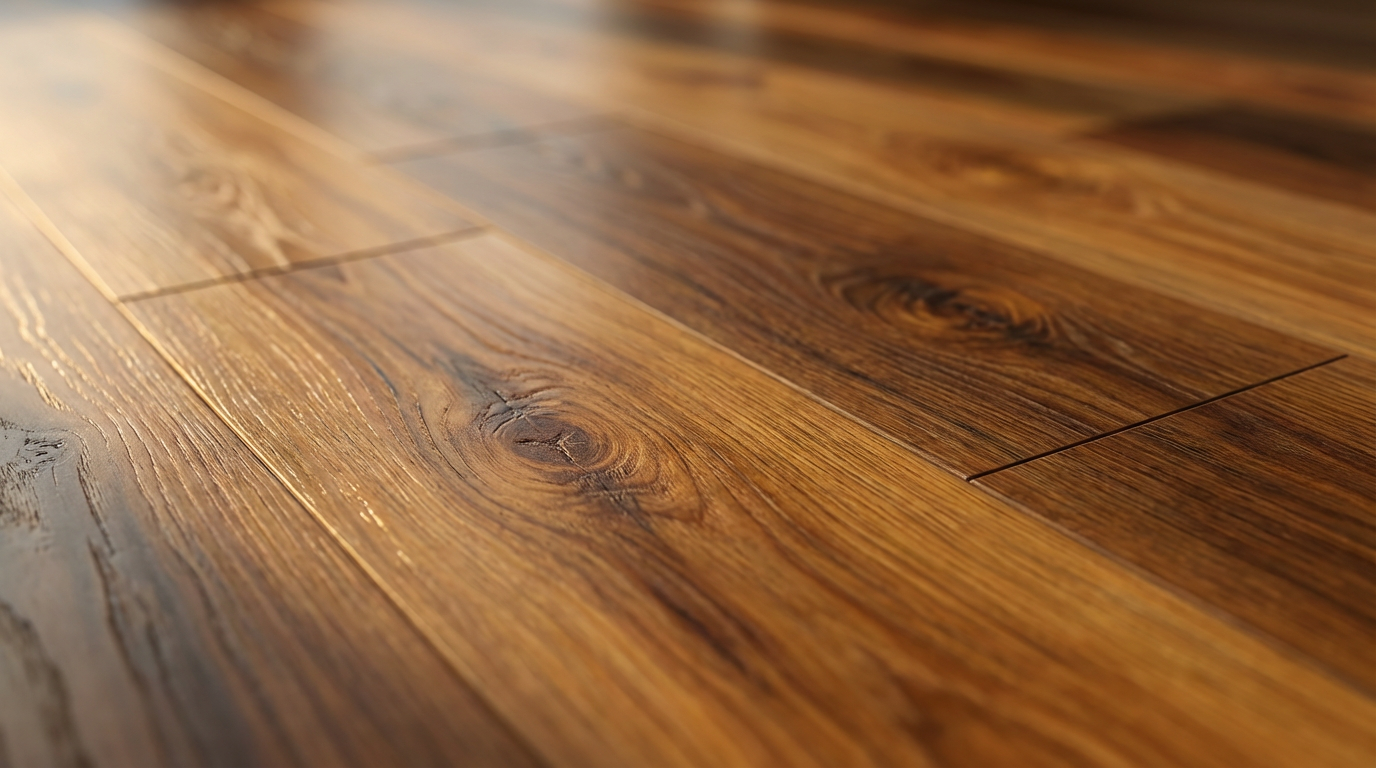
Innovations in flooring technology have expanded the options for those who prefer the look of wood. Modern hybrid flooring, particularly those with a stone polymer composite (SPC) core, is engineered to handle temperature fluctuations without the risk of expansion or contraction. Similarly, engineered hardwood is a viable and often superior choice for the Sanpete Valley. Unlike solid hardwood, which can be temperamental in Utah's notoriously dry climate, engineered planks feature a cross-ply construction that provides the stability needed to resist shrinking or gapping when heated from below. Choosing between these options requires balancing aesthetics with long term durability, a topic we explore further in our comparison of hardwood vs hybrid flooring.
Caution is necessary when considering materials that act as insulators. Thick carpeting combined with heavy foam padding can create a high R-value, effectively trapping the heat beneath the floor and preventing it from warming the living space. This makes the system work harder and reduces overall energy efficiency. Solid hardwood also poses significant risks; the direct heat can cause the wood to lose moisture too rapidly, leading to permanent warping, crowning, or cupping. To avoid these pitfalls, we recommend selecting materials with a total R-value of 1.5 or lower to ensure the warmth moves freely into your home. Selecting the right combination of heating and flooring material is a precise science that ensures your investment provides comfort for decades.
Energy Efficiency and Operating Costs: Is it Cheaper than Forced Air?
The primary question for many Sanpete County residents concerns the long term impact on their monthly utility bills. While the initial investment for the heated flooring systems Utah cold climate homeowners choose is higher than a standard forced air furnace, the operational savings tell a different story. Traditional furnaces lose a significant amount of energy through ductwork; industry data suggests a 20 to 30 percent heat loss before the air even reaches the room. Radiant systems eliminate this waste entirely by delivering thermal energy directly to the floor surface without any transit loss.
In practical terms, the monthly operating cost for a small electric system is surprisingly low. For instance, heating a standard 50 square foot bathroom in Mt. Pleasant to a comfortable temperature usually adds less to your monthly power bill than a single cup of specialty coffee. This affordability stems from the benefit of zonal heating. Unlike forced air, which often triggers the furnace for the entire house just to warm up a chilly master suite, radiant systems allow you to heat specific rooms independently.
Heating Method | Energy Loss Source | Estimated Efficiency Gain |
|---|---|---|
Forced Air | Duct leaks and rapid heat rise | Baseline |
Radiant Heating | Minimal (No ducts) | 20% to 30% Higher |
Homeowners building larger residences in the valley often find that a hydronic system paired with a high efficiency boiler leads to even more substantial savings during peak winter months. To ensure your system is calibrated for maximum efficiency and to avoid the common pitfalls of poor layout, reaching out for professional installation services is essential. Properly mapped systems prevent energy waste and ensure that your investment in hardwood vs hybrid flooring is protected by stable, even heat. If you want a specific cost breakdown for your renovation project, you can contact our Sanpete County team for a detailed estimate.
Addressing the Downsides: What to Consider Before You Install
Investing in heated flooring systems Utah cold climate homes utilize requires a realistic understanding of how these systems behave compared to traditional HVAC. The most notable difference is response time. Unlike a furnace that circulates hot air almost instantly, radiant heat is a slow gain system. It can take several hours for a stone or tile floor to reach the target temperature. Homeowners in Mt. Pleasant often find that using smart, programmable thermostats is the best way to manage this, ensuring the floor begins warming long before they step out of bed.
Another consideration is the permanence of the installation. Because the heating elements are embedded beneath your surface material, repairs can be invasive and costly if a line is damaged. This is particularly risky during DIY projects where a single misplaced utility knife or staple can compromise the entire circuit. To mitigate this risk, seeking professional installation services ensures that the system is pressure tested and verified before the final floor is laid.
Search data frequently highlights cold spots as a common complaint, but these are typically the result of improper spacing during the layout phase. Sanpete Flooring avoids this by using precision layout mapping to ensure consistent heat distribution across every square inch of the room. If you are concerned about how your specific layout will function, you can contact our Sanpete County team to review your floor plan. Properly engineered systems protect your investment in hardwood vs hybrid flooring while providing the reliable warmth needed for our high elevation winters.
Investing in a heated flooring system can transform your Utah home from a cold space into a cozy retreat during those long winter months. While the initial cost is an important consideration, the long-term comfort and energy efficiency often make it a worthwhile addition. If you want expert help choosing the right system or navigating the installation process, our team is here to guide you through every step. You can explore our full range of Services to see how we can bring warmth and value to your next home renovation project.