
Keep your Utah home floors looking new by performing daily dust mopping to remove abrasive grit and addressing spills immediately with a soft cloth. This flooring maintenance and care guide emphasizes using material-specific tools, such as damp microfiber mops for hardwood, while avoiding harsh chemicals like ammonia or wax. Consistently managing indoor humidity and placing mats at entryways will further protect surfaces from scratches and long-term wear.
You have invested significantly in your Utah home, yet the very elements that make Sanpete County beautiful can be the greatest enemies to your floors. Tracking in high-elevation grit, dealing with the drying effects of our mountain climate, and managing the constant transition of seasons can quickly dull even the finest surfaces. Maintaining that showroom shine requires more than a simple weekly sweep; it demands a strategic approach tailored to our unique local environment. In this comprehensive guide, we will share expert techniques for preserving everything from humidity-sensitive hardwoods to high-traffic luxury vinyl. You will discover how to seal grout effectively, protect carpets from abrasive soils, and maintain specialized heated flooring systems. By following these practical steps, you can ensure your investment remains a source of pride for years to come.
Protecting Your Sanpete County Flooring Investment
Installing premium floor coverings is one of the most significant financial commitments you will make for your home. In Sanpete County, the longevity of that investment depends entirely on how well you manage the environmental stressors unique to high-elevation Utah living. Our local climate presents a specialized set of challenges; the transition from bone-dry mountain air in the summer to heavy, moisture-laden snow in the winter creates a cycle of expansion and contraction that tests even the highest quality materials.
A comprehensive flooring maintenance and care guide for our region must look beyond general cleaning tips. It must address the specific abrasive nature of Sanpete grit, the corrosive effects of road salt tracked in from the driveway, and the extreme humidity fluctuations that can compromise hardwood flooring in Sanpete County. Without a proactive strategy, these local factors act like sandpaper on your finish and stressors on your subfloor. By understanding how to mitigate these elements, you can significantly extend the lifespan of your hardwood, luxury vinyl plank (LVP), and tile. If you have questions about specific products or installations, you can contact Sanpete Flooring to learn more about protecting your specific materials.
Hardwood Flooring Care: Managing the Utah Climate

The primary challenge for hardwood flooring in Sanpete County is managing its hygroscopic nature, meaning it naturally absorbs and releases moisture. In our high-altitude environment, the air is frequently too dry, which causes wood planks to lose moisture, shrink, and eventually develop gaps or unsightly splintering. Maintaining a stable indoor environment is not just about comfort; it is a fundamental requirement for the structural integrity of your floors.
To simplify this, we recommend homeowners follow the Rule of 3 for wood preservation. This principle focuses on three critical metrics: humidity, temperature, and cleaning frequency. First, aim to keep your indoor relative humidity between 35% and 55%. If your home drops below this range during a cold, dry winter, a whole-house humidifier is often necessary to prevent the wood from cracking. Second, keep your thermostat between 60 and 80 degrees Fahrenheit to avoid thermal shock to the planks. Third, follow a consistent cleaning schedule: dust or sweep daily to remove abrasive grit, use a damp microfiber mop weekly, and perform a deeper clean with wood-specific products monthly.
When executing your flooring maintenance and care guide routine, the choice of cleaning agents is vital. Many people reach for Dawn dish soap or Windex, but these are detrimental to hardwood. The degreasers in dish soap can break down the finish over time, while the ammonia in glass cleaners can cloud and strip the protective layer. Similarly, never apply wax or oil-based soaps to modern polyurethane finishes. These products create a sticky residue that traps dirt and makes it impossible to apply a fresh coat of finish later.
Instead of using heavy water, which can seep into joints and cause cupping, use a microfiber mop that is only slightly damp to the touch. Even the best-maintained floors will eventually show signs of surface wear in high-traffic areas. To avoid the cost and mess of a full sand-and-refinish project, plan for a maintenance coat every three to five years. This process involves lightly abrading the top layer of finish and applying a fresh protective coat, effectively hitting the reset button on your floor’s luster before the wood itself is ever damaged.
Luxury Vinyl and Hybrid SPC Flooring Maintenance
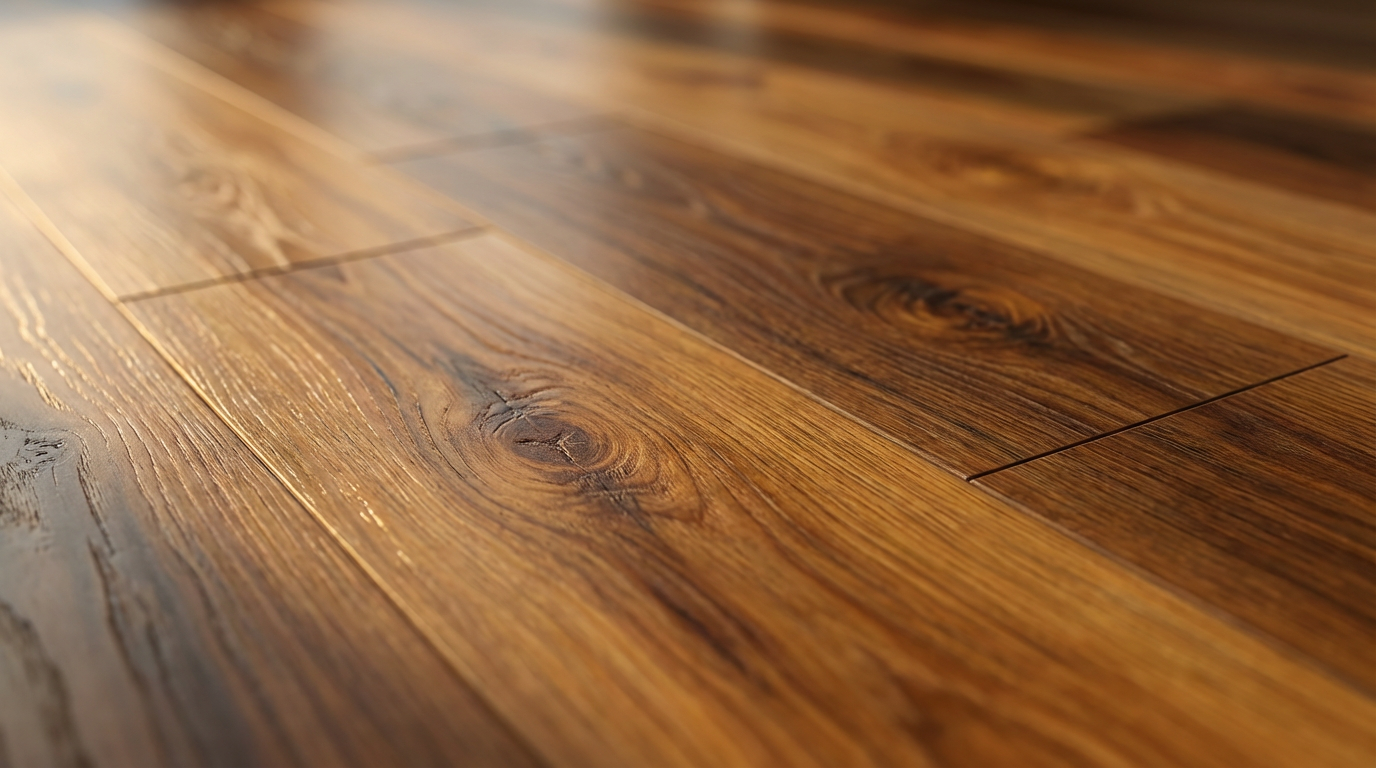
While luxury vinyl plank (LVP) and hybrid SPC (Stone Plastic Composite) floors are celebrated for their water resistance and resilience, many homeowners fall into the trap of thinking these materials are indestructible. In a high traffic household in Manti or Ephraim, the reality is that even the toughest wear layers are susceptible to micro-scratches and structural damage if mistreated. These premium floor coverings require specific attention to maintain their photographic clarity and core integrity.
One of the most common mistakes in LVP upkeep is the use of steam mops. Although they are marketed for deep cleaning, the intense heat and pressurized moisture can penetrate the seams, causing the protective layers to delaminate or the core to swell over time. This damage is often irreparable and can void manufacturer warranties. Instead, use a pH-neutral cleaner specifically formulated for vinyl. Avoid abrasive scrubbers, steel wool, or highly acidic solutions like vinegar, which can dull the factory finish and leave the floor looking hazy.
The fine grit and volcanic soil common in Sanpete County act like sandpaper under the weight of moving furniture. High-quality felt pads are non-negotiable for every chair, table, and sofa leg to prevent deep gouges. Because Sanpete residents are frequently active outdoors, tracking in small pebbles or road salt is inevitable. Consistent sweeping or vacuuming with a hard-floor setting is the first line of defense in your flooring maintenance and care guide to prevent these particles from being ground into the surface. If you have concerns about existing scratches or need product recommendations, you can contact Sanpete Flooring for expert advice on local surface preservation.
Tile and Grout: Keeping Surfaces Bright and Sealed
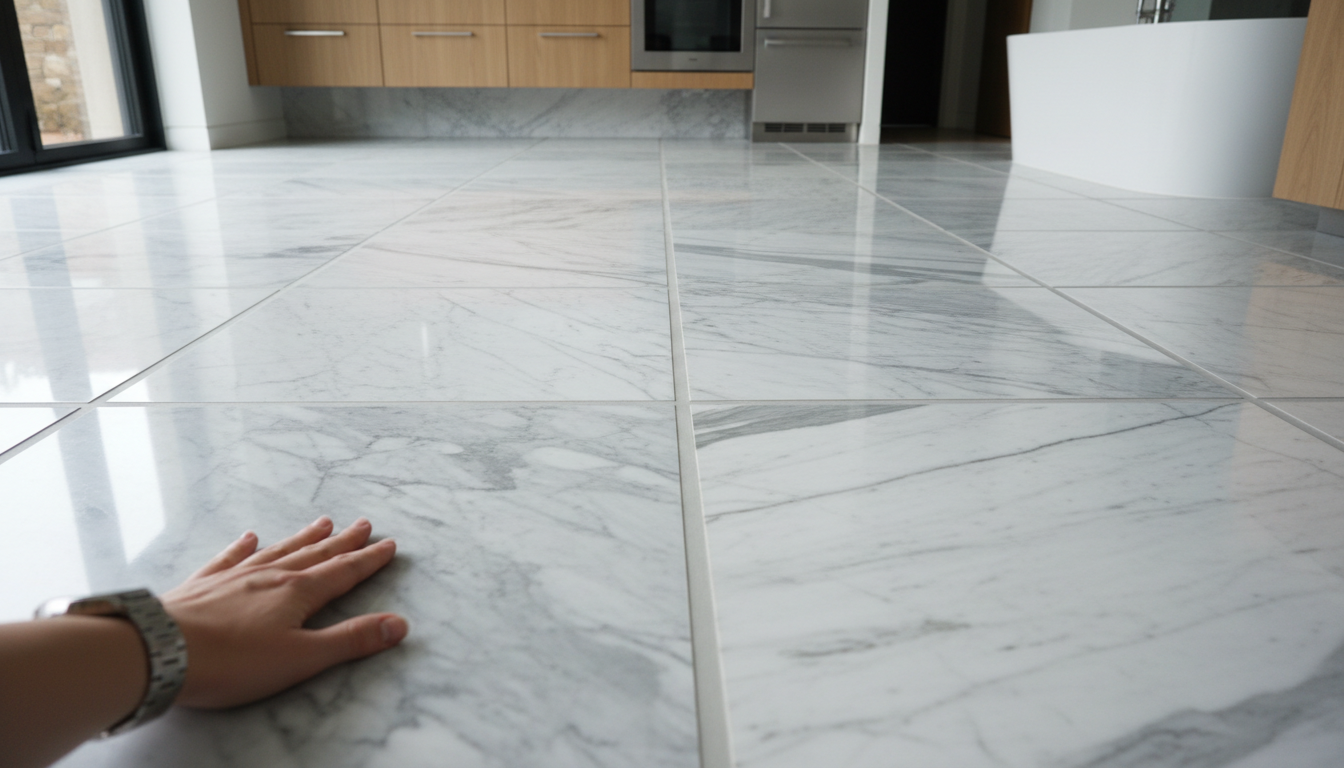
While ceramic, porcelain, and natural stone are exceptionally durable, the grout lines between them represent the most vulnerable point of the installation. Grout is inherently porous, acting like a sponge for the red mud and road salts common in central Utah. To prevent permanent staining and moisture infiltration, you should reseal your grout every 12 to 24 months. This creates a critical chemical barrier that keeps contaminants on the surface where they can be easily wiped away rather than sinking into the subfloor.
Selecting the correct cleaning agent is vital for the longevity of premium floor coverings. Many homeowners mistakenly use vinegar or lemon-based cleaners, thinking they are a safe, natural solution. However, the high acidity in these products can chemically react with the minerals in natural stone and slowly dissolve the cementitious bond of the grout. Over time, this leads to crumbling, erosion, and a complete failure of the seal. Instead, use a mild, pH-neutral detergent or a cleaner specifically formulated for tile and stone.
To keep your floor tiles clean and shiny, focus on removing abrasive particles before they can dull the surface. Daily sweeping or vacuuming on a hard-floor setting is the most effective way to maintain that original luster. When mopping, avoid residue-heavy cleaners or oil soaps that leave a waxy film. This film acts as a magnet for dust and Sanpete grit, making the floor look cloudy even after a fresh wash. If your grout has already become deeply discolored or the seal has failed, you can contact Sanpete Flooring to discuss professional restoration options that complement this flooring maintenance and care guide.
Carpet Care: Combatting Sanpete County Grit
While tile and stone repel most particles, carpet acts as a filter for the fine, silty dust prevalent across rural Utah. In areas like Gunnison or Fairview, this Sanpete grit is the primary cause of premature wear. When these abrasive particles settle deep into the pile, they act like miniature saws, grinding down the synthetic or natural fibers every time someone walks across the room.
The most effective defense in your flooring maintenance and care guide is high-frequency vacuuming. We recommend vacuuming at least two to three times weekly in high-traffic zones. This prevents soil from becoming embedded where a standard upright can no longer reach it. Beyond routine care, most manufacturers of premium floor coverings require professional steam cleaning every 12 to 18 months to keep warranties valid. Hot water extraction is the only method that effectively removes the oily residues and allergens that settle near the backing.
For local challenges like the iron-rich red mud common in our foothills, wait for the mud to dry completely before attempting to clean it. Once dry, vacuum up the solids, then treat the remaining pigment with a localized spot cleaner. For pet accidents, always blot with a white cloth rather than scrubbing, which can permanently fray the fiber tips. If you encounter a stubborn stain that won't budge, you can contact Sanpete Flooring for professional guidance.
Heated Flooring Systems: Specialized Maintenance Tips
Energy-efficient radiant heat is a hallmark of modern Sanpete County homes, but it changes how you must treat your premium floor coverings. The most critical rule for preserving these systems is avoiding thermal bridging. This occurs when heavy, rubber-backed area rugs or thick floor mats trap heat against the surface. Trapped heat can cause local hot spots that damage the adhesive in LVP, crack tile grout, or dry out hardwood flooring in Sanpete County to the point of structural failure. Always choose breathable, natural-fiber rugs without solid backings to allow consistent airflow.
As temperatures drop during the late Utah autumn, resist the urge to crank the heat up instantly. This flooring maintenance and care guide recommends a gradual increase of no more than five degrees per day. Rapid temperature spikes cause the subfloor and finish materials to expand at different rates, leading to buckling or surface checking. If you notice unusual noises or surface changes as your system cycles, contact Sanpete Flooring to ensure your thermostat settings are optimized for your specific material.
Seasonal Flooring Maintenance Checklist for Utah Homeowners
Maintaining premium floor coverings in Sanpete County requires a proactive approach that shifts with our distinct mountain seasons. This flooring maintenance and care guide checklist helps you stay ahead of the environmental factors specific to central Utah.
Winter: Salt and Moisture Management - Place high-quality moisture-trapping mats both inside and outside every entryway to capture snow and slush. - Clean up tracked-in road salt immediately; the alkaline nature of ice-melt products can chemically etch finishes and damage grout lines. - Implement a strict "no shoes" policy to prevent slush from seeping into hardwood joints and causing expansion.
Spring: Addressing Grit and Runoff - Perform a thorough deep clean to remove the fine silt and red mud that accumulates during the spring thaw. - Swap out winter mats for bristled "scrubber" mats to capture garden soil and abrasive grit before it enters the home. - Check for any signs of water intrusion near door thresholds after heavy spring rains or rapid snowmelt.
Summer: UV and Heat Defense - Utilize blinds or UV-filtering window treatments during peak sunlight hours to prevent uneven fading or "sun-bleaching" on hardwood flooring in Sanpete County. - Monitor indoor temperatures to ensure LVP or hybrid floors do not exceed 80 degrees, which can lead to plank expansion or adhesive softening.
Fall: Seal Integrity and Humidity Prep - Inspect grout lines and natural stone surfaces; fall is the ideal time to reseal these areas before heavy holiday foot traffic begins. - Service your home humidifier and calibrate your hygrometer to prepare for the sharp drop in outdoor humidity that occurs once the furnace starts running. - If you notice gaps or surface wear from the previous year, contact Sanpete Flooring to evaluate if a maintenance coat is needed before the dry winter air sets in.
Maintaining your Utah home's flooring is all about consistency and using the right tools for your specific surface. By following these simple cleaning routines, you can protect your investment and keep every room looking its best for years to come. While daily care goes a long way, some projects benefit from a professional touch. If you want expert help with your next flooring update or need advice on long-term care, you can learn more about us and our commitment to quality service. We are here to ensure your floors remain a beautiful part of your home.