Spring and fall are generally the best time of year to install flooring Utah because stable temperatures and moderate humidity levels allow materials like hardwood and laminate to acclimate properly. These transitional seasons prevent the excessive expansion or contraction often caused by extreme summer heat or dry winter air; however, any season can work if your home's indoor climate is consistently controlled.
Homeowners in Utah often face the frustration of floorboards that gap in the winter or buckle during the humid shifts of spring. These issues are rarely the fault of the material itself; instead, they are the result of poor timing in our unique mountain climate. In Sanpete County, the radical swings in temperature and humidity dictate how flooring materials expand and contract. Understanding these seasonal patterns is essential to ensuring your investment lasts for decades without structural failure. This guide examines the specific advantages of each season, from the predictable stability of fall to the logistical benefits of winter projects. You will learn how to navigate Utah's dry air, why the acclimation process is non-negotiable, and how to choose the perfect window for your specific material, whether you are installing solid hardwood or durable laminate.
Why Sanpete County's Mountain Climate Impacts Your Flooring Schedule
In Sanpete County, we live in a high altitude, semi-arid environment that behaves very differently from coastal regions. While homeowners in coastal states deal with consistent, heavy moisture, our mountain climate is defined by volatility. Choosing the best time of year to install flooring Utah isn't just about finding a gap in your personal calendar; it is about managing the science of indoor relative humidity and temperature.
Sanpete’s extreme temperature swings, which can range from sub-zero winter nights to scorching summer days in Manti and Ephraim, directly impact the stability of your subfloor and premium floor coverings. When temperatures fluctuate, materials like hardwood and laminate naturally expand and contract. Unlike coastal areas where the air remains saturated, our dry air causes materials to lose moisture rapidly if not managed correctly. This makes hardwood flooring in mountain climates particularly sensitive to the seasons. If you install when the indoor climate is at an extreme, you risk gaps or buckling later in the year. To ensure a professional result, the schedule must prioritize when your home’s interior environment is most stable, ensuring the material reaches equilibrium before the first nail is driven. For specific guidance on your home's conditions, contact Sanpete Flooring to discuss your project.
Spring Installation: Balancing Thaw and Humidity for Interior Renovations
March through May in Sanpete County marks a significant transition as the heavy winter snowpack begins to melt. This spring thaw period introduces a spike in outdoor humidity that is uncharacteristic for our typically dry region. While many homeowners consider this the best time of year to install flooring Utah due to the refreshing nature of spring cleaning, the moisture shift requires precise environmental control.
Maintaining a consistent indoor temperature between 65 and 75 degrees is critical during these months. As exterior temperatures swing between chilly mornings and mild afternoons, your HVAC system must work to stabilize the internal climate to prevent premium floor coverings from absorbing excess moisture from the damp spring air. If the indoor air becomes too humid or fluctuates wildly, materials like hardwood or laminate can begin to swell before they are even fastened down.
Practical logistics also come into play during what locals often call mud season. Transporting heavy hardwood flooring in mountain climates into a home requires extra care to avoid tracking slush and debris onto subfloors. Because spring is a high demand season for remodeling in Manti and Ephraim, we recommend you contact Sanpete Flooring at least four to six weeks in advance. Securing your slot early ensures that your project aligns with professional moisture testing, which is essential to verify that the spring humidity has not pushed your subfloor moisture content beyond safe levels.
Summer Flooring Projects: Managing High Temperatures and Thermal Expansion

While the spring thaw brings moisture, the intense Utah summer introduces the challenge of thermal expansion. In Sanpete County, afternoon temperatures often climb rapidly, causing materials like Luxury Vinyl Plank (LVP) and hybrid flooring to physically expand. This becomes a significant risk if premium floor coverings are left in a hot delivery truck or an uncooled garage in Manti or Ephraim before installation. If these materials are installed while they are at their peak thermal expansion, they will inevitably contract as the home cools, leading to gapping or compromised locking mechanisms.
Sun exposure is another critical factor during these months. Many homes in our area feature large, south-facing windows to take advantage of mountain views, but the resulting solar gain can spike the surface temperature of your floors well beyond ambient room temperature. To protect your investment, we recommend implementing sun control measures such as UV-rated window films or heavy blinds during the installation phase and throughout the peak of summer. These measures prevent localized buckling in areas where the sun hits the floor directly.
It is also important to consider how air conditioning affects the internal environment. While summer is naturally dry in Utah, active cooling systems further strip moisture from the air, creating a very low-humidity interior. This environment requires a longer acclimation period for hardwood flooring in mountain climates, often extending to a full week or more to ensure the timber reaches equilibrium with the artificially dry air. While many consider summer the best time of year to install flooring Utah, success depends entirely on managing these temperature and humidity variables. For a detailed site evaluation and moisture reading, you should contact Sanpete Flooring before your project begins.
Fall: The Goldilocks Zone for Utah Flooring Installation
September through November represents the Goldilocks Zone for home renovations in Sanpete County. During these months, the air turns crisp and the extreme volatility of the summer heat subsides, creating a window where indoor and outdoor temperatures are remarkably moderate. This environmental balance is why many professionals consider autumn the best time of year to install flooring Utah.
The primary advantage of a fall installation is humidity stability. Unlike the moisture spikes of spring or the artificial dryness caused by summer air conditioning, fall humidity levels in Manti and Ephraim typically settle into a consistent range that mimics the long-term average of a well-maintained home. For hardwood flooring in mountain climates and high-quality laminate, this stability allows for the most accurate acclimation process possible. When the material reaches equilibrium in these moderate conditions, it is significantly less likely to experience the dramatic expansion or contraction that leads to structural gaps or buckling. Furthermore, professional flooring adhesives bond most effectively when temperatures stay between 70 and 80 degrees Fahrenheit, a range that is easily maintained during Sanpete’s mild autumn days.
Scheduling your project in the fall also offers a strategic logistical advantage. It allows you to finalize your premium floor coverings before the frantic holiday season begins and, perhaps more importantly, before the deep winter dry-out occurs. Once the heavy heating season starts in late December, indoor humidity can plummet below 20 percent, which puts immense stress on new wood. Installing in October or November gives the floor time to settle under ideal conditions before the furnace begins to strip moisture from the air. To secure a spot in our fall schedule before the end-of-year rush, contact Sanpete Flooring to review your subfloor requirements and material choices.
Winter Strategy: Taking Advantage of Dry Air and Off Season Availability
Installing new floors during a Sanpete County winter is often dismissed as impractical, yet this season offers distinct technical and logistical advantages. From a scheduling perspective, winter provides the greatest flexibility for homeowners in Manti and Ephraim. Because many residents postpone renovations until the spring thaw, you can often secure an installation timeline that fits your specific needs without the typical peak-season lead times.
Technically, the bone-dry winter air is beneficial for hardwood flooring in mountain climates. When timber is installed during its seasonal shrinkage peak, the boards are at their most stable minimum dimension. This ensures the floor remains tight as environmental moisture increases later in the year, preventing the unsightly gaps that often appear when wood is installed during humid months. However, achieving a professional result requires strict adherence to the Rule of 3, which balances ambient temperature, relative humidity, and the moisture content of the subfloor.
In homes where furnaces run constantly, indoor humidity can plummet below 30 percent, which is the danger zone for even the most premium floor coverings. If the air becomes too dry, materials may suffer from cupping or surface checking. We recommend utilizing a whole-home humidifier to keep indoor levels between 30 and 45 percent during the project. If you are ready to utilize the off-season for your renovation, contact Sanpete Flooring to schedule a professional moisture assessment and site evaluation.
The Rule of Acclimation: How Utah's Dry Air Affects Different Materials
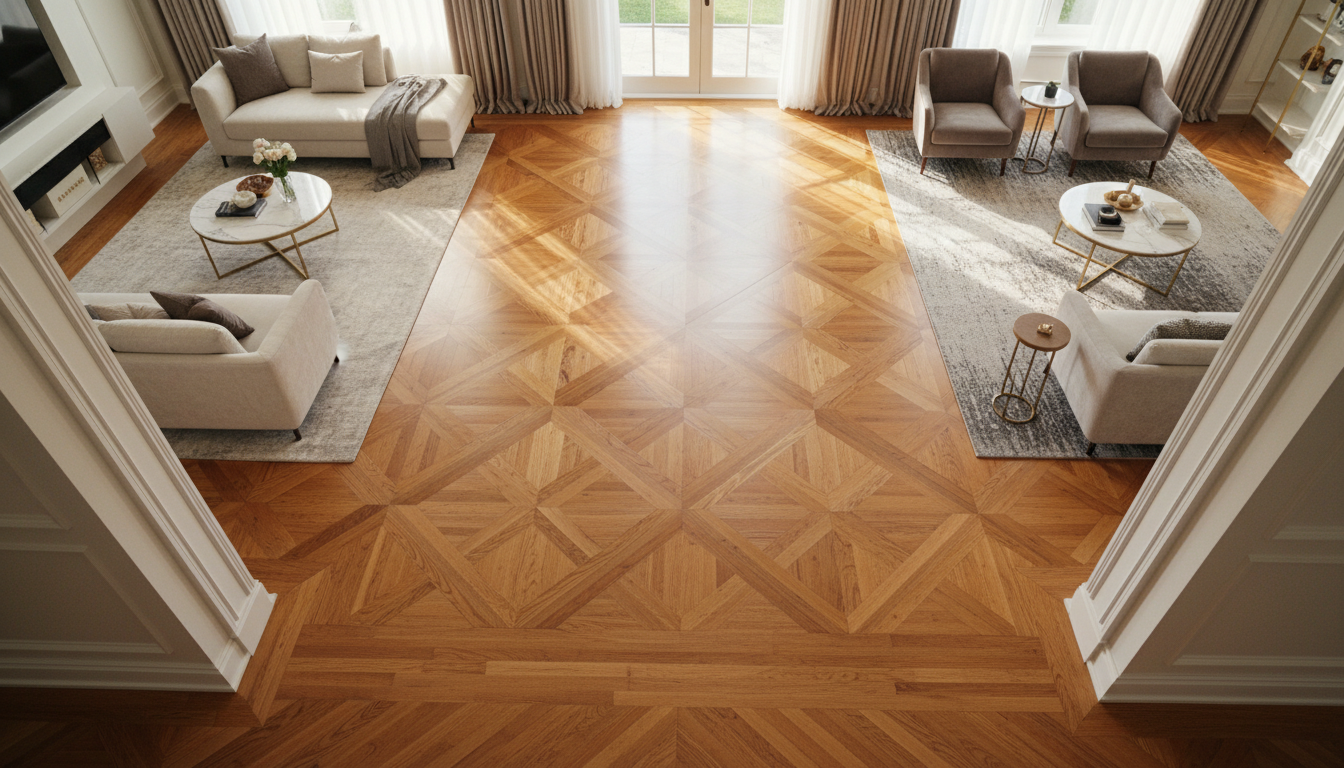
Acclimation is the technical process of bringing the moisture content of your flooring into equilibrium with the specific environment of your home. In the high altitude and semi arid climate of Sanpete County, this step is non negotiable. If material is installed before it has reached this balance, it will continue to move after it is fastened down, leading to structural failures.
Success depends on airflow and time. A common question homeowners ask is whether hardwood flooring can acclimate in the box. The answer is no. Leaving planks sealed in cardboard creates a microclimate that prevents the wood from reacting to the room's actual humidity. For proper acclimation, boxes should be opened at the ends or, ideally, the material should be cross-stacked in a "Lincoln Log" pattern to allow air to circulate around every surface. This ensures the boards reach a uniform state before the installation begins.
Material Type | Recommended Acclimation Time |
|---|---|
Solid Hardwood | 3 to 7 Days |
Engineered Wood | 3 to 5 Days |
Laminate | 48 Hours |
Luxury Vinyl (LVP) | 24 to 48 Hours |
Professional installers in Manti and Ephraim do not rely on guesswork; they use pin or pinless moisture meters to verify readiness. For hardwood flooring in mountain climates, the goal is typically to ensure the moisture content of the wood is within 2 to 4 percent of the subfloor's moisture reading. Because our air is so dry, premium floor coverings often arrive with a higher moisture content than our local environment supports. If you are unsure if your home is ready for installation, contact Sanpete Flooring for a professional site assessment. This verification ensures your project aligns with the best time of year to install flooring Utah by accounting for the specific humidity of your living space.
Scheduling by Material: When to Install Hardwood, Laminate, or Tile
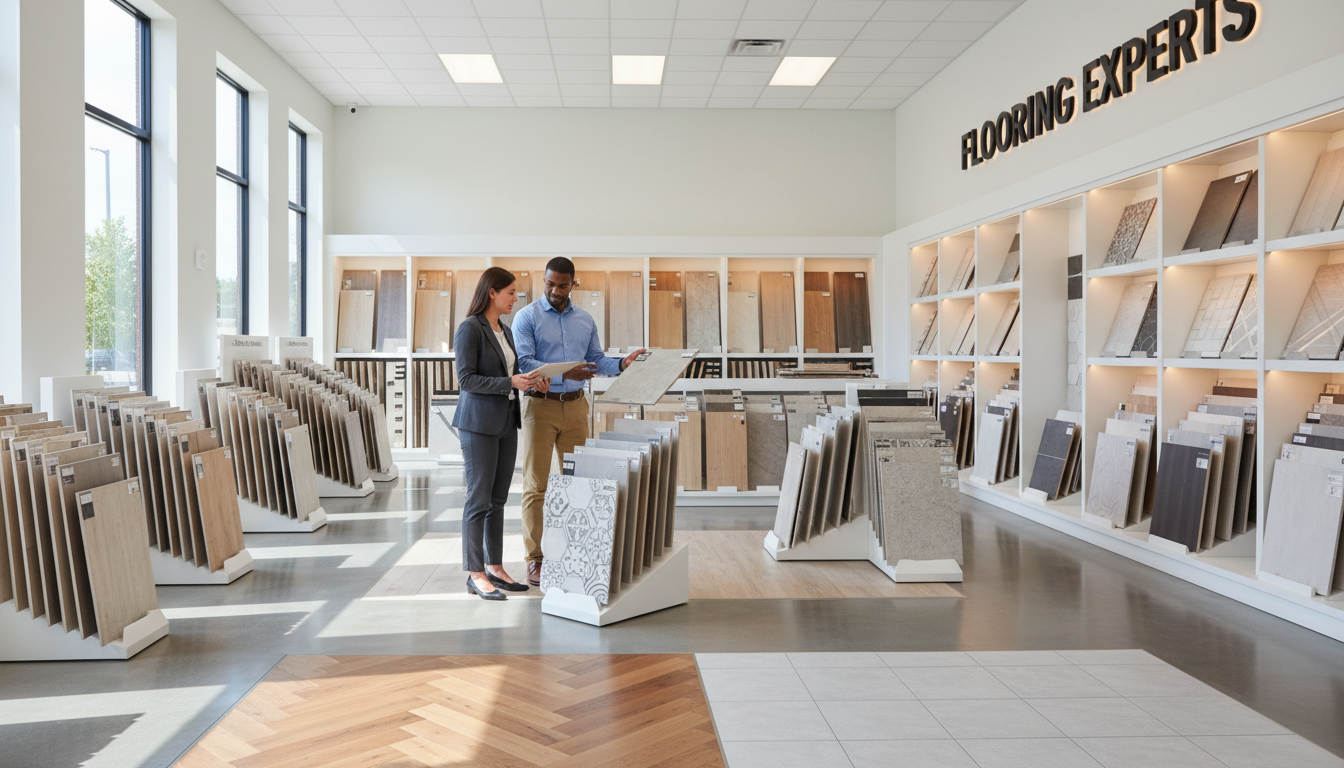
The material you choose dictates how strictly you must follow the seasonal calendar. Hardwood flooring in mountain climates is the most sensitive to atmospheric changes, making Fall and Spring the clear winners for installation. These seasons offer the narrowest humidity variance, which minimizes the risk of the wood warping or gapping after the installers leave.
Tile installation relies less on humidity and more on consistent temperature control. For mortar and grout to cure properly without cracking, you must avoid extreme cold, which can freeze the water in the mix, or extreme heat, which causes it to dry too rapidly. Consequently, late Spring and early Fall are ideal for tile projects in Manti.
Material | Seasonal Sensitivity | Optimal Installation Window |
|---|---|---|
Solid/Engineered Hardwood | High | Fall or Spring |
Ceramic/Porcelain Tile | Medium | Spring through Autumn |
Carpet | Low | Year-Round |
Hybrid Flooring | Low | Year-Round |
For homeowners needing a fast turnaround regardless of the month, carpet and hybrid premium floor coverings offer the most flexibility. Hybrid flooring, in particular, is an excellent choice for Sanpete County residents who need to renovate during the winter. Its layered construction handles the high foot traffic and moisture tracked in during our wet winters with ease. Because these materials are engineered for stability, the best time of year to install flooring Utah for these specific categories is whenever your schedule allows. To finalize your renovation timeline, contact Sanpete Flooring to discuss how your specific material choice aligns with the current season.